
I don’t think this is about Magic anymore…
November 17, 2025
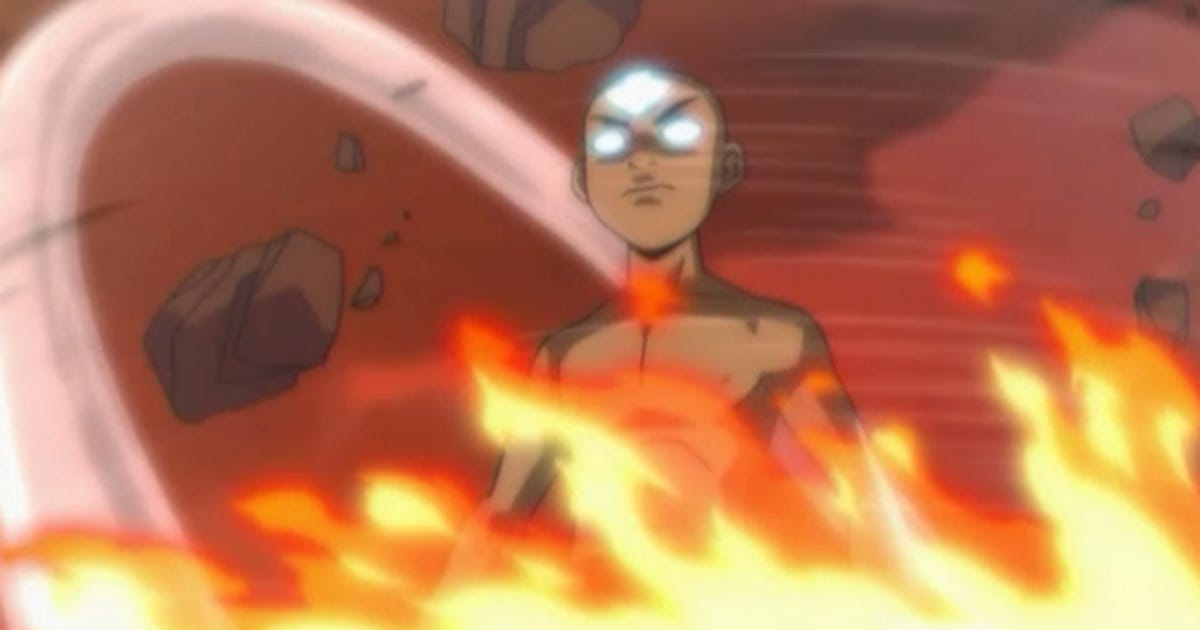
I started writing this over a month ago. The day after I released my piece on Book 2 actually. In that time, I have written and deleted about 2500 words. So, when I tell you that this was a complicated piece for me to process, I mean it. See, the pieces for Book 1 and Book 2 were primarily focused on my experience in early High School and the ways in which Avatar, and specifically Zuko, helped me through those years.
While it wouldn’t be entirely false to say that Book 3 did the same, it came out in the beginning of my Junior year, it would incorrectly paint the image of a Junior year that felt the same as the first two–which just isn’t the case. All things considered, my Junior and Senior year were incredible and many of the friends I made then are still in my life.
With that preamble out of the way, let’s see if this draft makes it all the way.
Fire…
The element associated with passion, with power and destruction. From the beginning of Book 1 and the very first time we hear Katara’s all-too-familiar words, we know that fire equals bad guys, plain and simple. It’s the force that burned down villages, tore families apart, and threw the world out of balance. When you’re a kid, that’s all you need to know. Fire is pain. Fire is dangerous. Fire is the thing you’re warned to stay away from.
But that’s the beauty of growing up with this show, what once seemed so simple slowly reveals itself to be something more complicated, more human. Book 3 isn’t just about fire as destruction. It’s about fire as life. As energy. As will. About the spark that drives creation just as easily as it fuels ruin. I don’t think I understood that when I first watched it. Back then, I saw Zuko’s fire as the expression of anger, of defiance, of the same confusion that I felt when the world didn’t make sense to me. I saw it as the thing that burned bridges and consumed everything in its path.
It wasn’t until years later that I realized what Book 3 was really teaching me. That fire isn’t inherently good or bad, it’s a reflection of who wields it. That power and purpose are the same flame, divided only by our intent.
And maybe that’s why it took me so long to write this piece. Because Book 3: Fire isn’t about survival or discovery like the others, it’s about transformation. It calls you to look back at the person you were and realize that the fire inside you hasn’t gone out…it just changed shape.
So this, then, is not a story about the destruction I once feared, but about the light I learned to carry. The fire I once ran from, and the warmth I now try to protect.
The Year the Fire Changed
If Book 1 was about survival, and Book 2 about understanding, then Book 3, for me anyway, was about release. My junior year was the first time I felt something close to peace. I’d made real friends: Kyle and Jon, who laughed with me instead of at me. I met Devyn, who carried an energy that could light up a room without ever asking for permission. Life had softened, and for the first time, I didn’t feel like I was fighting to exist within it.
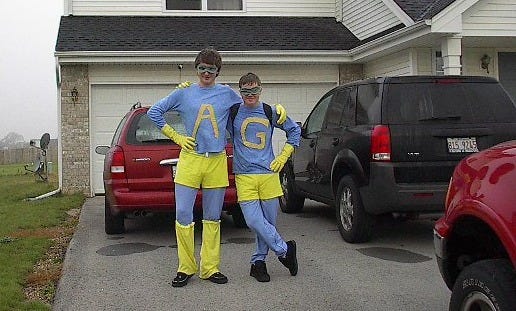
It’s strange to think that Book 3 aired during that same period, because at the time, I didn’t see the connection. Zuko’s story, the story of finding balance, of making peace with the parts of yourself that have always burned too hot, wasn’t something I could fully grasp yet. I was too close to it. I saw the battles, the lightning, the spectacle. I didn’t see the quiet moments: Iroh sitting cross-legged in his prison cell, breathing through his own pain; Zuko learning to redirect lightning, not by fighting it, but by letting it pass through him.
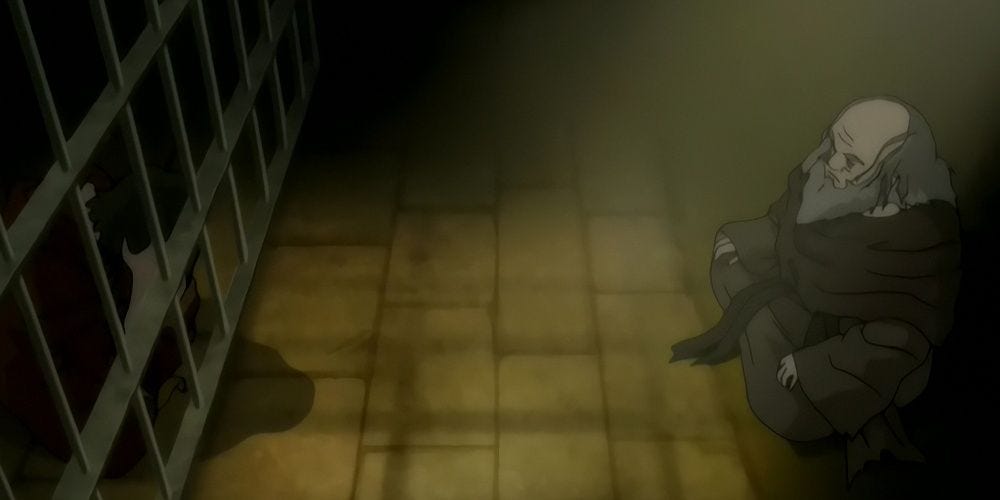
That idea…that strength doesn’t always mean resistance, that sometimes it means learning how to let things flow through you…wasn’t something I would come to understand until years later. But even if I didn’t have the language for it then, I think I was already starting to feel it.
Junior year, I found myself loosening my grip on old anger. The constant tension of wanting to prove myself, to be accepted, began to fade. I started realizing that maybe there was more to life than surviving high school. Maybe there was something like joy waiting on the other side of that exhaustion.
And isn’t that what Zuko learns, too? That fire doesn’t have to consume us, it can also guide. It can illuminate. It can warm us when we’ve grown cold and tired. He doesn’t stop being who he is when he changes sides. He just learns how to use his fire differently.
At sixteen, I didn’t know that was possible. But looking back, I can see that’s exactly what was happening. I was learning how to control my fire, not extinguish it.
The Reunion
When I think about Book 3, I think about THAT moment. Zuko standing outside Iroh’s tent, his voice shaking, words tumbling out in apology before he even sees his uncle’s face. It’s one of those scenes that stays burned into the heart…how easily it could’ve gone the other way. He expects anger, maybe even rejection, because that’s what we all expect from our parents when we’ve done harm. What he finds, instead, is Iroh’s arms around him, pulling him into an embrace before he can finish his sentence.
“I was never angry with you. I was sad, because I was afraid you’d lost your way.”
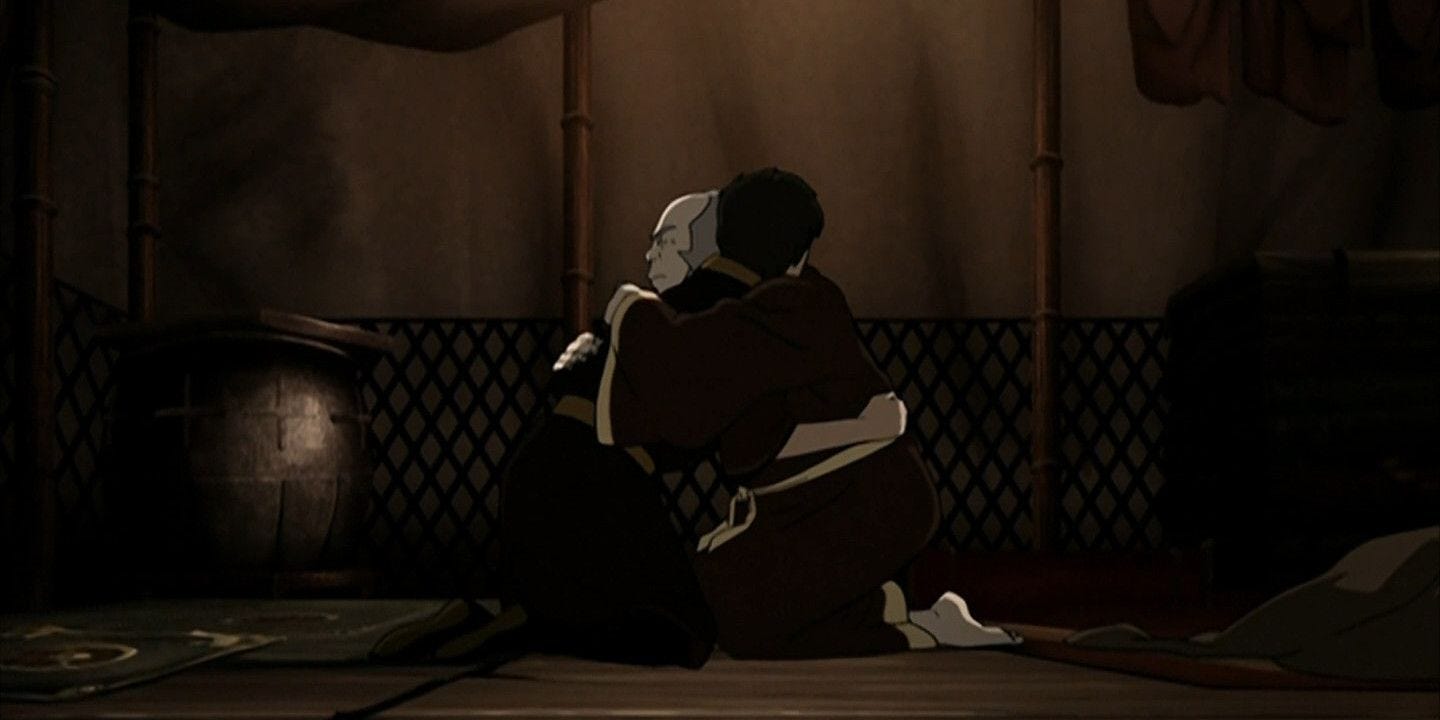
When I first saw that scene, I thought it was beautiful, sure—but I didn’t feel it. I didn’t understand yet what it meant to be forgiven, or what it meant to forgive yourself. That came later. That came with Devyn.
Devyn was one of those people who carried light even when they didn’t realize it. They were kind in a way that felt deliberate, intentional, like they’d seen the world at its worst and decided to love it anyway. We met my junior year, when the world finally seemed to calm down, when I started to believe that maybe I could belong somewhere.
Years later, when I lost Devyn to suicide, that light went with them. I didn’t realize until much later that part of what I was mourning wasn’t just their absence—it was the version of myself they saw and believed in. That was my Iroh moment. The realization that some people don’t love you in spite of your fire, they love you because of it. Because they know what it’s like to burn and still try to build warmth from it.
When Zuko falls to his knees in front of Iroh, sobbing, it’s not just repentance…it’s release. He’s letting go of years of self-hatred, of misunderstanding his own purpose. And Iroh’s forgiveness isn’t conditional. It’s immediate. It’s full. That’s what makes it so devastating, so healing.
When I look back now, I realize that scene taught me something Devyn always seemed to know: that forgiveness is a form of love that transcends time. It’s what keeps us tethered to the people we’ve lost. It’s what allows us to move forward without letting go entirely.
In that embrace between Zuko and Iroh, I saw something I didn’t know I’d been searching for, a reminder that love, when it’s real, can survive even the worst fires.
The Comet
There’s a stillness that comes right before everything changes.
In Sozin’s Comet, that stillness takes the shape of a sky burning red, the calm before the world ignites one last time. It’s the moment Aang has been avoiding all season—the inevitability of facing Ozai. But it’s also the culmination of Zuko’s arc, of years spent wrestling with what it means to inherit your fire instead of being consumed by it.
When I watched it as a teenager, I remember sitting in the dim light of my parents’ living room, heart racing, waiting for Aang to make his choice. Back then, I thought the fight was about victory—about good triumphing over evil. But looking back, I see that it was never really about that. It was about restraint. About mercy. About what it means to have power and choose not to destroy with it.
That lesson didn’t hit me until much later, until adulthood, and even parenthood, had tested me in ways I couldn’t have imagined at sixteen. Life has a way of presenting its own comets—moments that feel like they’ll split you in two if you face them directly. The death of a friend. The weight of memory. The quiet realization that the person you were, and the person you’re becoming, aren’t at war, they’re learning how to live together.
Aang’s refusal to kill Ozai wasn’t a weakness.
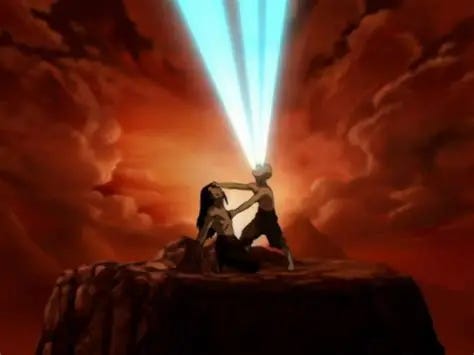
It was mastery. It was the understanding that fire, like anger, like grief, doesn’t have to consume to have meaning. It can simply exist. It can transform.
In my own life, I think that’s where I finally found peace, if there really is such a thing—with my past, with the anger I carried through those early years, with the shame of survival. The fire in me hasn’t gone out; it’s just become something else. Something steadier. Something warmer.
Zuko ends Book 3 not as the banished prince or the prodigal son, but as a man finally at peace with both.
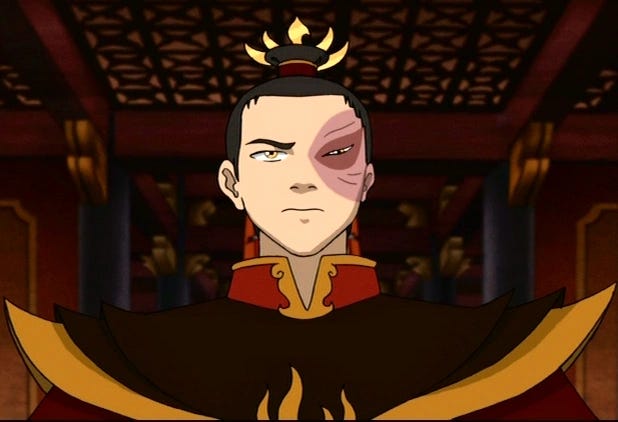
Aang, too, becomes whole—not because he destroys, but because he chooses balance. I think, in my own quiet way, I’ve been trying to do the same. To learn that forgiveness, compassion, and even grief can coexist within the same flame.
Fire, after all, isn’t the element of destruction. It’s the element of life. Of warmth. Of the spark that keeps us moving forward when the world grows cold.
So here I am…older, maybe a little wiser… learning to tend that fire instead of running from it. Learning, at last, what Uncle Iroh meant when he said:
“Fire is the element of power. The people of the Fire Nation have desire and will, and the energy and drive to achieve what they want.”
I used to think that meant ambition. Now, I think it means hope.
The Twentieth Year
Looking back now, I think I started writing these pieces because I needed to map the person I’ve become and the way that Avatar, a Nickelodeon cartoon of all things, helped shape it. To understand how the quiet, hurting kid who sat alone at lunch became the adult who teaches, listens, and still finds solace in the same animated world that once kept him company.
Each Book has carried its own lesson for me—lessons I didn’t realize I’d been collecting all these years.
Water taught me survival. How to stay afloat when the world moves beneath you.
Earth taught me patience, and the strength of stillness.
And Fire… well, Fire taught me how to live.
When I think about those years now, I see how the show’s elements mirrored my own growth. I started as someone barely holding their head above water, then learned to ground myself when the shaking came, and eventually learned that burning doesn’t always mean breaking. It can mean becoming.
There’s a quiet kind of poetry in realizing that the stories that shaped your childhood are still teaching you how to be human. That the same show that helped me through my isolation has also helped me through grief, through forgiveness, through becoming someone new without forgetting the old versions of myself.
I sometimes wonder what that fifteen-year-old version of me would think if he could see me now—sitting here, writing about this world that once made him feel less alone. I think he’d be surprised. Maybe even proud. I think he’d see that, even if the fire changed form, it never went out.
And maybe that’s the point of all this. That we don’t ever really “heal” from who we were—we carry them with us. The child, the teen, the adult—they’re all here, sitting around the same fire, learning how to keep it burning without fear of getting burned.
So I’ll end this the way it began, with a quote from Iroh:
“In the darkest times, hope is something you give yourself. That is the meaning of inner strength.”
 The Ravnican Reading Nook
Leave a comment