
What Water Taught Me About Fire, and What Zuko Taught Me About Myself
August 12, 2025
“It’s time for you to look inward, and begin asking yourself the big questions: who are you, and what do you want?” ~Iroh
The year is 2005. I’ve just moved across the country, leaving behind my 15-year home in Colorado for Rockton, Illinois—a small town still carrying the wound of the Chrysler plant closures from two decades earlier. To make things worse, the move came in the middle of my freshman year, meaning every other “new” student had already had a semester to stake out their friend groups. I knew no one. I had no one.
The upheaval left me drowning in harmful thoughts and severe depression, made worse by relentless bullying. “I have to sit by the queer?” was a phrase I heard almost daily on the bus ride home. Those constant little assaults pushed me further into myself.
Music became my home. Green Day had just released American Idiot a few months before, and songs like Give Me Novacaine and Whatsername carried me to sleep every night. Headphones became my armor, letting me walk through halls without hearing the jokes. That entire school year, I was alone. I ate lunch alone. I was picked last for gym. In every group project, I ended up doing all the work—not out of ambition, but so no one else would have to speak to me. It was hell, in every sense of the word.
When winter broke and spring crept in, I found myself one afternoon sitting in front of the TV, eating a microwaved Totino’s Party Pizza, when it happened—I stumbled onto the pilot of Avatar: The Last Airbender. I remember it like it was this morning—not just because I’ve rewatched the series countless times and owned the DVDs since 2011, but because I can still feel what I felt that day. The opening cinematic alone—Katara’s voice delivering the weight of the world with two simple words: “Everything changed.”
I won’t pretend the show alone carried me through my darkest times. That would be a lie. I still wrote, I still had music and I was still hurting, still bullied, still utterly alone. But once a week, I had this to look forward to and in that moment, that was enough.
Today, Wizards of the Coast revealed the first looks at MTG x ATLA, and I’ve been swept up in a tidal wave of nostalgia—for the series, and for everything it gave me. The joy. The excitement. The genuine fear I felt watching episodes like “The Day of Black Sun.” All of it rushed back, sudden and overwhelming, like the flash of Aang’s agony at the end of Book Two. Azula has struck me in the spine again—but this time, instead of lightning, it’s the need to put these feelings into words. So please, like Bosco himself, bear with me as I explore Avatar, this new set, and what it means to relive pain through joy.
Book One: Water
Titled Water, the first season—or book—asks one central question: Who are we? At its core, every conflict circles back to “What do we want?” Aang wrestles with the crushing truth that he is the last of his people, yet still burdened with the role of Avatar. Katara and Sokka leave the only home they’ve ever known, determined to help their tribe resist the Fire Nation’s oppression and help Aang find teachers. Even Zuko, the banished prince, struggles to untangle who he truly is from who he thinks his father wants him to be.
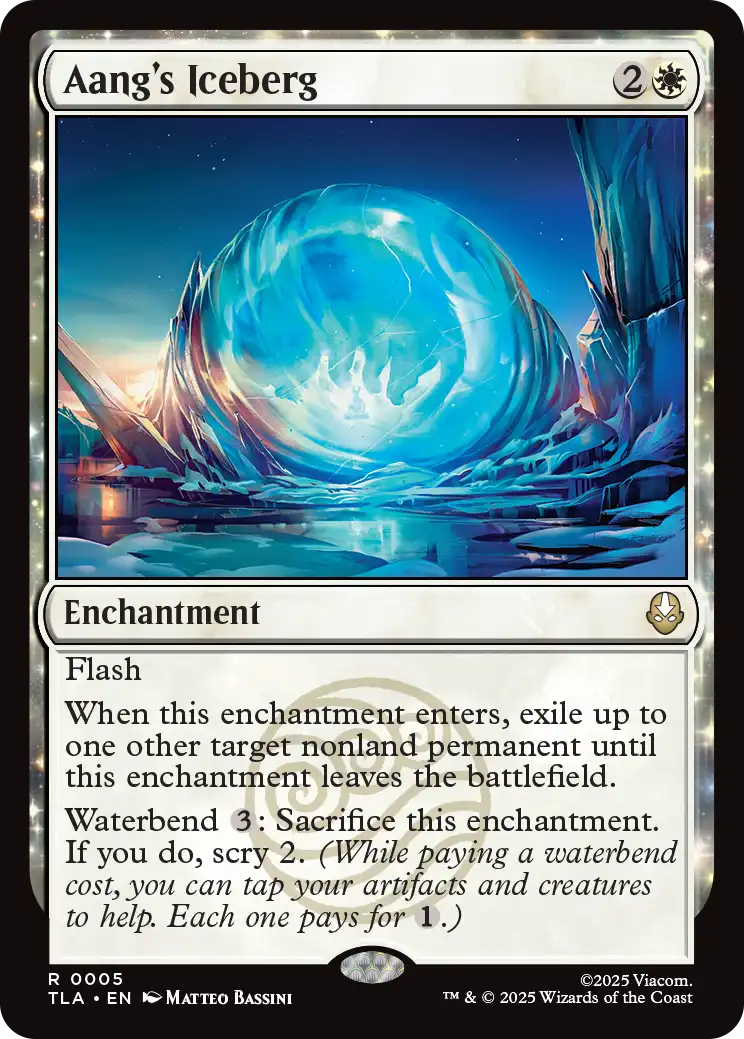
These were the same questions I was asking myself. Who am I to myself? Who am I to these new people? Who am I to my parents—the ones who uprooted their teenage children from the home we’d built for 15 years? I was angry then, and when I think back, I can still feel the heat of that anger.
Through each “chapter” of that season, I watched these characters grow beyond the otter-seal-riding children they started as. And now, looking back, I realize I was growing with them.
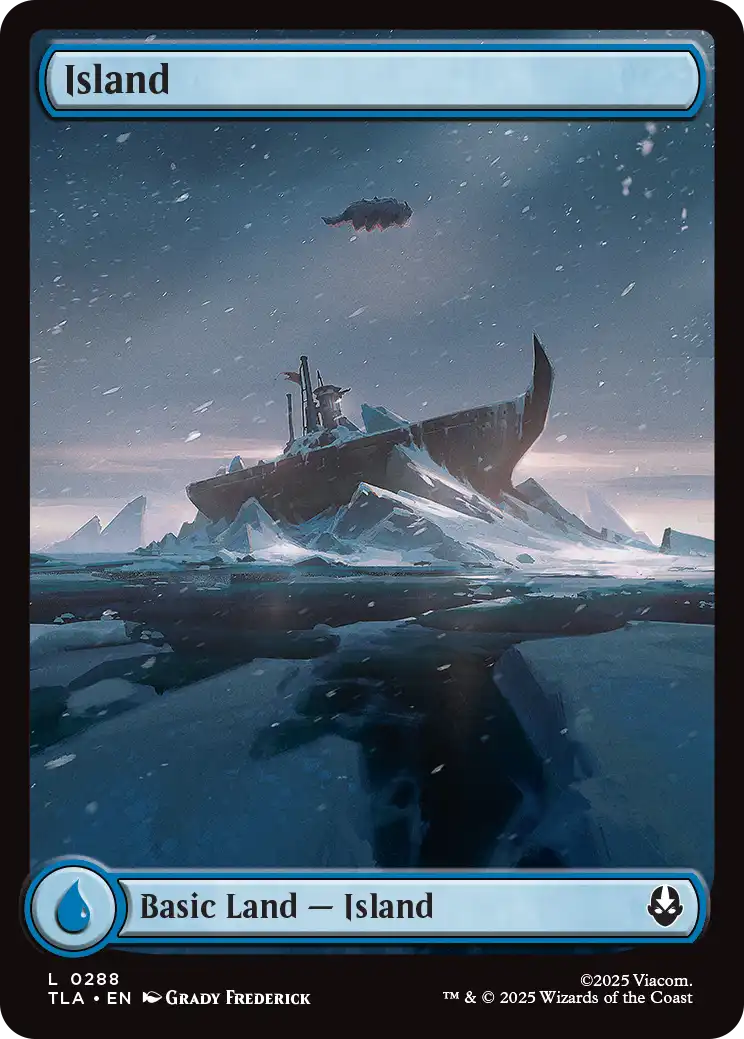
For me, Zuko was the anchor of my love for the show—or more accurately, Zuko and the way Iroh’s relationship with him shaped his every move. I still think about that first episode: Zuko standing on the deck of his ship, arguing with his uncle as they trawl the icy edges of the South Pole in search of the Avatar. “You’re out of your mind, Uncle.” There was something in that exchange that hit me even then. Zuko’s sharpness, his quick dismissal, mirrored the way I spoke to my stepfather—a blend of defensiveness and unspoken hurt. It’s a testament to the writers that they could so perfectly capture the raw, restless energy of teenage anger.
Looking back at myself during that time, it’s no surprise I connected so deeply to Zuko’s constant resistance to Iroh’s quiet, patient wisdom. Which is why, in this examination of Book One: Water, I want to turn that dynamic on its head. I want to explore what happens when Water—with all its themes of identity and reflection—meets Fire.
If Water is about asking “Who am I?” then Zuko is its most volatile, unsteady answer. In Book One, he isn’t the patient, tea-brewing uncle’s apprentice we later come to love—he’s a wound in motion. His every action is a reaction, a desperate sprint toward the approval of the very person who scarred him. Zuko’s father, Ozai, isn’t simply absent; he’s an active architect of Zuko’s pain, a man who punishes failure with cruelty and rewards obedience with the barest scraps of acknowledgment. And that, in Zuko’s mind, is love worth chasing.
Chasing the Avatar: The Repetition Compulsion
Watching him in those early episodes, I didn’t just see a villain. I saw someone my age, drowning in the expectations of a family that equated worth with performance. Zuko’s obsession with capturing the Avatar isn’t just about honor—it’s about rewriting the story Ozai tells about him. The scar across his face is a constant reminder of who his father says he is: weak, foolish, unworthy. Capturing the Avatar becomes his imagined key to erasing that definition.
And then there’s Iroh. Even in these early chapters, before his wisdom fully unfurls, Iroh is the counterweight to Zuko’s self-destruction.
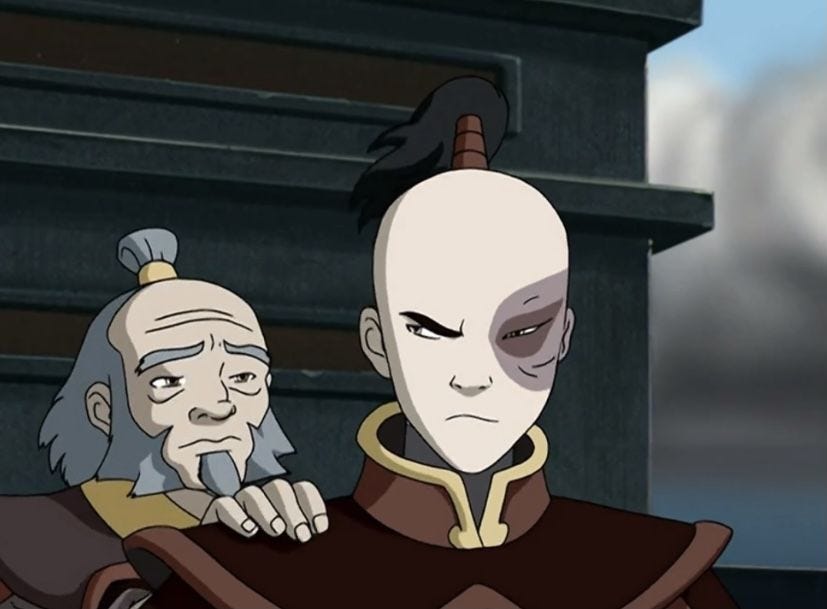
He isn’t blind to Zuko’s flaws—he just refuses to reduce him to them. In a show full of bending, Iroh bends something far rarer: Zuko’s perception of himself. He offers tea instead of orders, patience instead of punishment. He asks questions Zuko doesn’t want to answer, like “What do you want?” instead of “What does your father want from you?” It’s maddening for Zuko because it’s so unfamiliar.
I think that’s why Zuko’s arc in Water hit me so hard that first year I watched it. His desperate need to prove himself to a parent who will never love him in the way he needs—that mirrored my own attempts to win the approval of people who had already decided who I was. Iroh’s presence reminded me of the rare few adults in my life who looked past my anger and isolation, who offered patience when I felt least deserving of it.
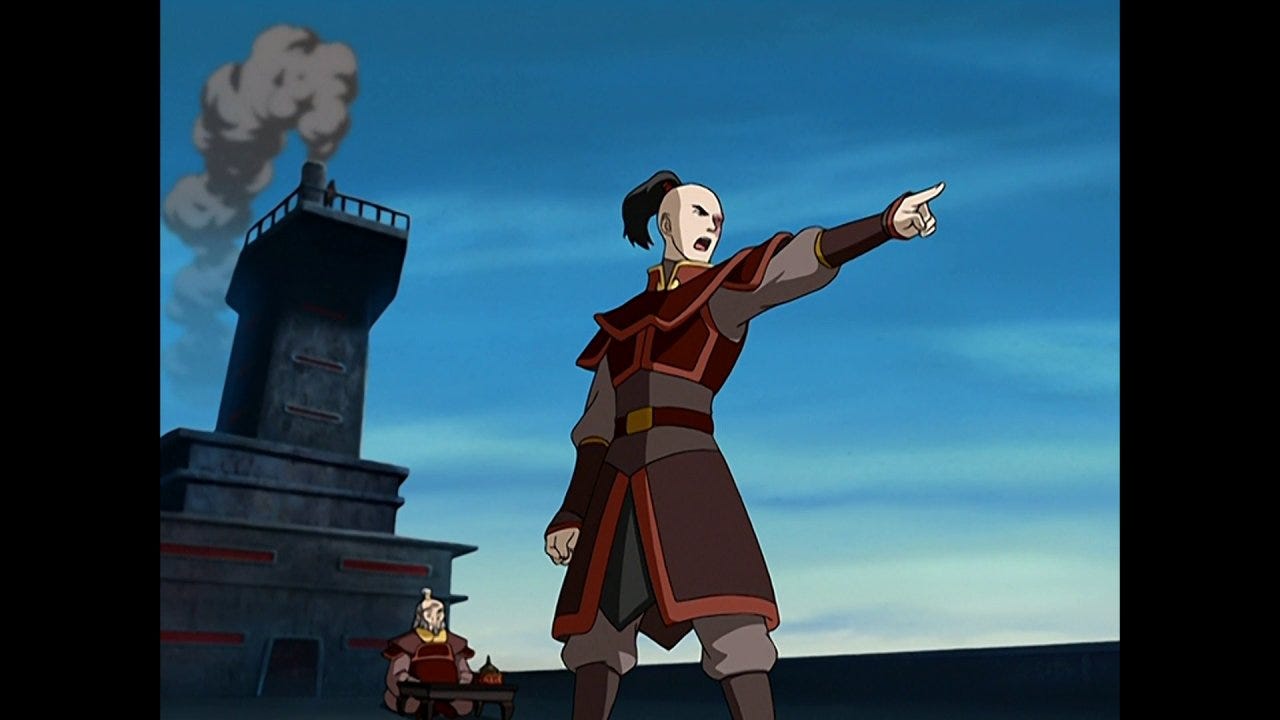
Zuko’s pursuit of the Avatar in Book One isn’t really about Aang—it’s about control. If he can catch Aang, maybe he can catch his father’s attention. If he can catch his father’s attention, maybe he can finally feel like he matters. The tragedy, of course, is that neither of those outcomes would give him what he’s looking for. That realization won’t come until later books, but even here in Water, you can see the cracks forming—the moments when Iroh’s kindness forces him to pause, just for a heartbeat, and consider who he might be without the chase.
Back then, I didn’t have the language for what I was seeing. I just knew that in Zuko, I saw someone else trying to answer the question I was asking myself every day: Who am I, really—and what if the people who raised me will never like the answer?
First Look, First Impressions
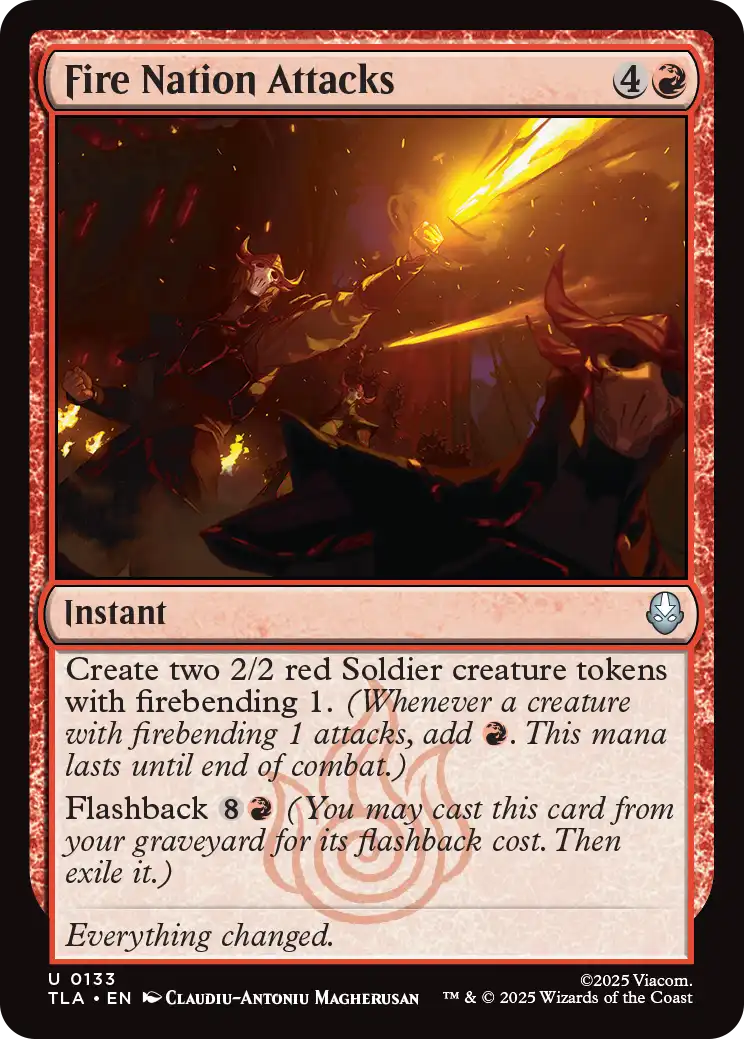
I saw a lot of gorgeous art today. Cards like Fire Nation Attacks—a card that radiates the same intensity I felt the first time I heard Katara’s voice deliver those words: Everything changed.
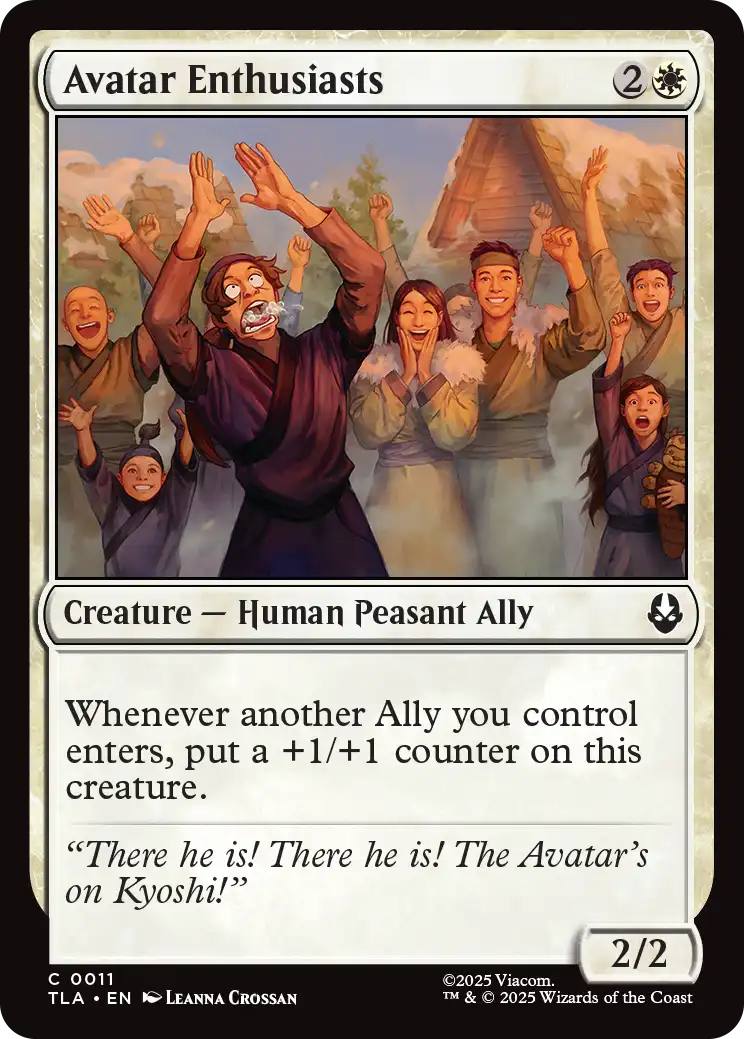
There were cards like The Cabbage Merchant and Avatar Enthusiasts, perfect little reminders of the comedic breaks that kept the series from collapsing under the weight of its own emotional gravity.
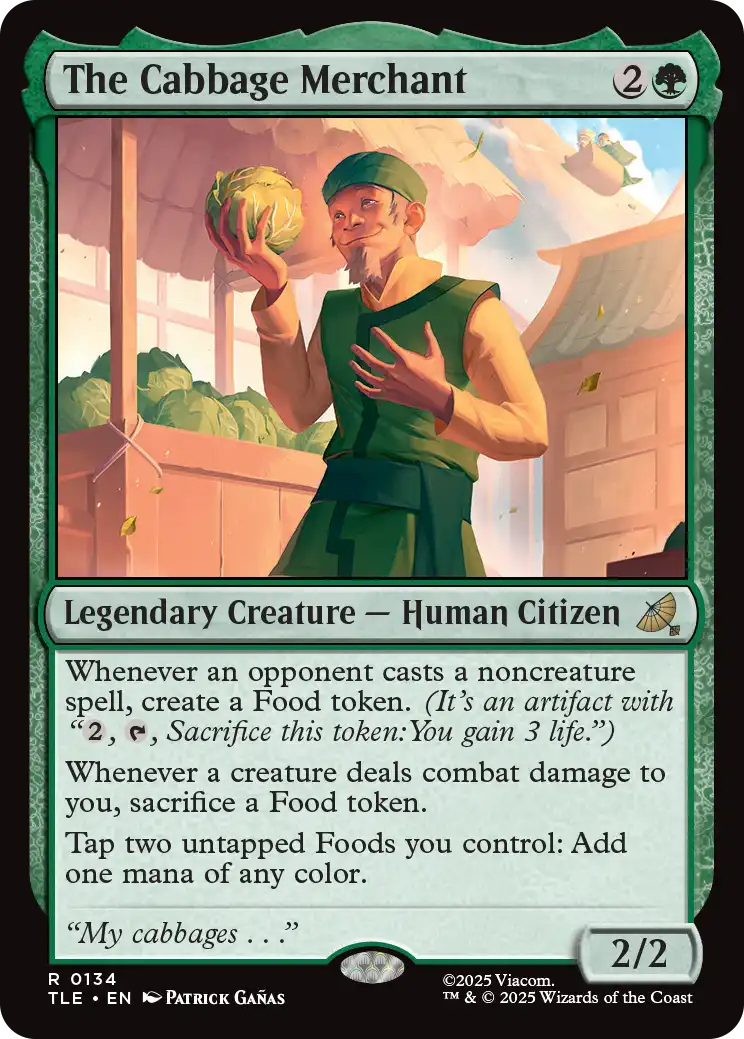
Those moments didn’t just make us laugh—they made the heartbreaking moments hit harder when they returned.
But I didn’t see Zuko. Not my Zuko, anyway—not the Zuko 15-year-old me clung to. We were shown the adult Fire Lord, and I am genuinely excited to see him. I love his ending in the series. But I wanted to meet the Zuko I met first. The one still fighting himself as much as the world around him. I want to see how Wizards captures the raw urgency of his need to prove himself, the restlessness that kept him burning. I want to see… myself.
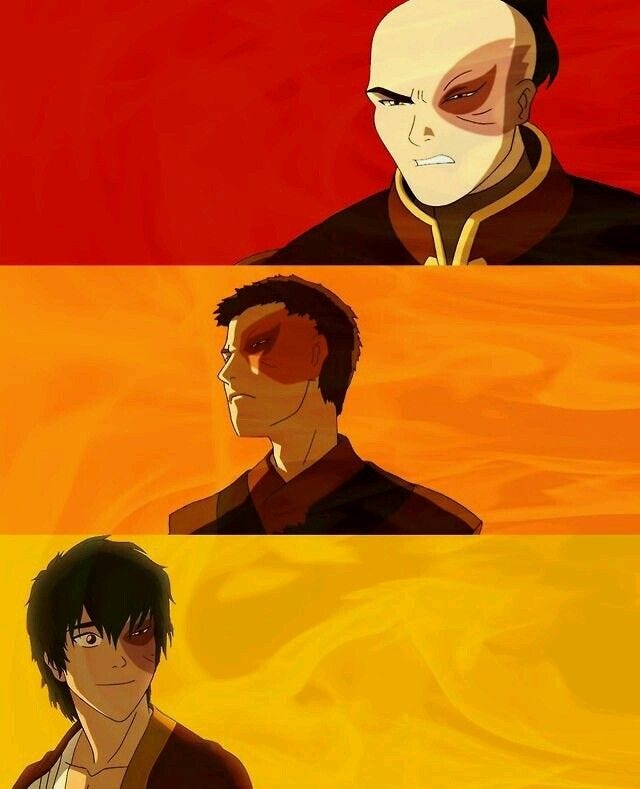
And I’ll admit—that realization just hit me, here, in the middle of writing this. There’s a version of Zuko, frozen in that moment of his life, that reflects my own struggles and growth more clearly than almost anything else.
We’ve already seen Pilot Episode Aang as part of the Jumpstart previews, which makes me hopeful that we’ll see the others in their early forms, too—Sokka as the would-be warrior trying to prove he’s more like his warrior-father than others believe; Katara as the young woman fighting to prove her worth both to her tribe and to Aang as his waterbending teacher.
And then, maybe, that boy alone—at least in his mind—on a ship heading south toward a destiny he doesn’t fully understand. A boy determined to prove himself to his father, yet trapped in a cycle of repetition that makes that goal impossible. Will we get that Zuko? I don’t know. Like Iroh urging him to believe in himself, all we can do is hope.
The Siege of the North
When I think about Book One: Water, it’s impossible not to end with The Siege of the North. Even now, rewatching it feels like being pulled under the surface—there’s beauty in it, but it’s heavy, and you have to fight your way back up for air. It’s the point where every thread we’ve followed since the pilot comes together: Aang facing the enormity of his role as far as cosmic balance is concerned, Katara stepping fully into her power in the face of a sexist master, Sokka confronting the loss of his—seeming first—love in Yue, and Zuko—my Zuko—dragging himself through a frozen wasteland for a chance at the honor he’s convinced will fix everything.
That final confrontation between Zuko and Katara under the shimmering lights of the Spirit Oasis still plays in my head like it’s happening right now. He’s exhausted, half-frozen, yet he fights with a desperation that feels almost feral. It isn’t just a battle—it’s the manifestation of everything he’s been carrying: the shame, the defiance, the ache to be seen as worthy. “You rise with the moon. I rise with the sun.” Zuko speaks these words before stealing Aang and dragging him through the frozen North. Yet, in Part 2, when the tide turns against him, when victory slips through his fingers yet again, you can see the moment he realizes it won’t matter. You can hear it in his voice as he monologues to Aang’s unconscious body. That even if he’d caught Aang, it still wouldn’t have been enough.
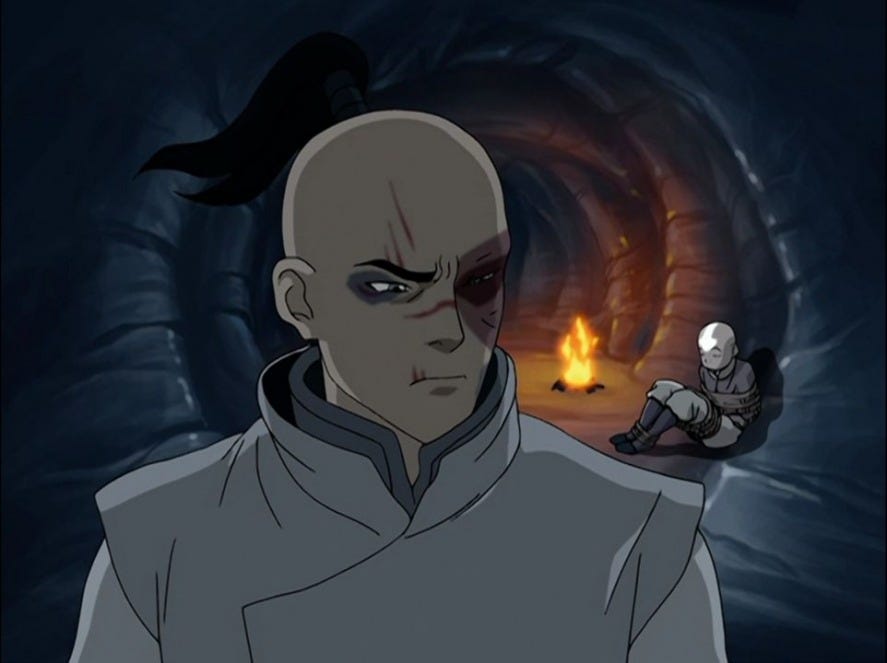
Back in 2005, I didn’t have the vocabulary to name that feeling. I just knew I’d been there—pushing myself to exhaustion, chasing approval that was never coming, convinced that if I could just do this one impossible thing, I’d finally be okay. And like Zuko, I had to learn that sometimes the thing you’re chasing isn’t the thing you actually need.
The Siege of the North ends with change—irreversible change. The moon spirit is gone, the Northern Water Tribe is forever altered, and every character walks away different than they were before. Zuko leaves with nothing he set out to gain, but with Iroh still at his side. And maybe that’s the quiet truth of Water: that the people who stay beside you in failure, your “allies” if you will, are worth more than any victory.
Plus, we get possibly the hardest line ever delivered by our boi Iroh when he is finds Admiral Zhao and his fighters have captured the moon spirit: “Whatever you do to that spirit, I’ll unleash on you ten fold. Release it now!”
Goosebumps. Every. Damn. Time.
Looking at these new MTG cards, I realize that’s what I’m hoping to see—not just the big battles or the flashy bending, but the moments in between. The moments where identity is forged not by winning, but by enduring. Because for me, in that strange, lonely year of 2005, The Siege of the North wasn’t just the end of a season—it was a reminder that you could walk away with less than you wanted and still have what you needed.
 The Ravnican Reading Nook
Leave a comment