
Visions of Bodies Being Burned
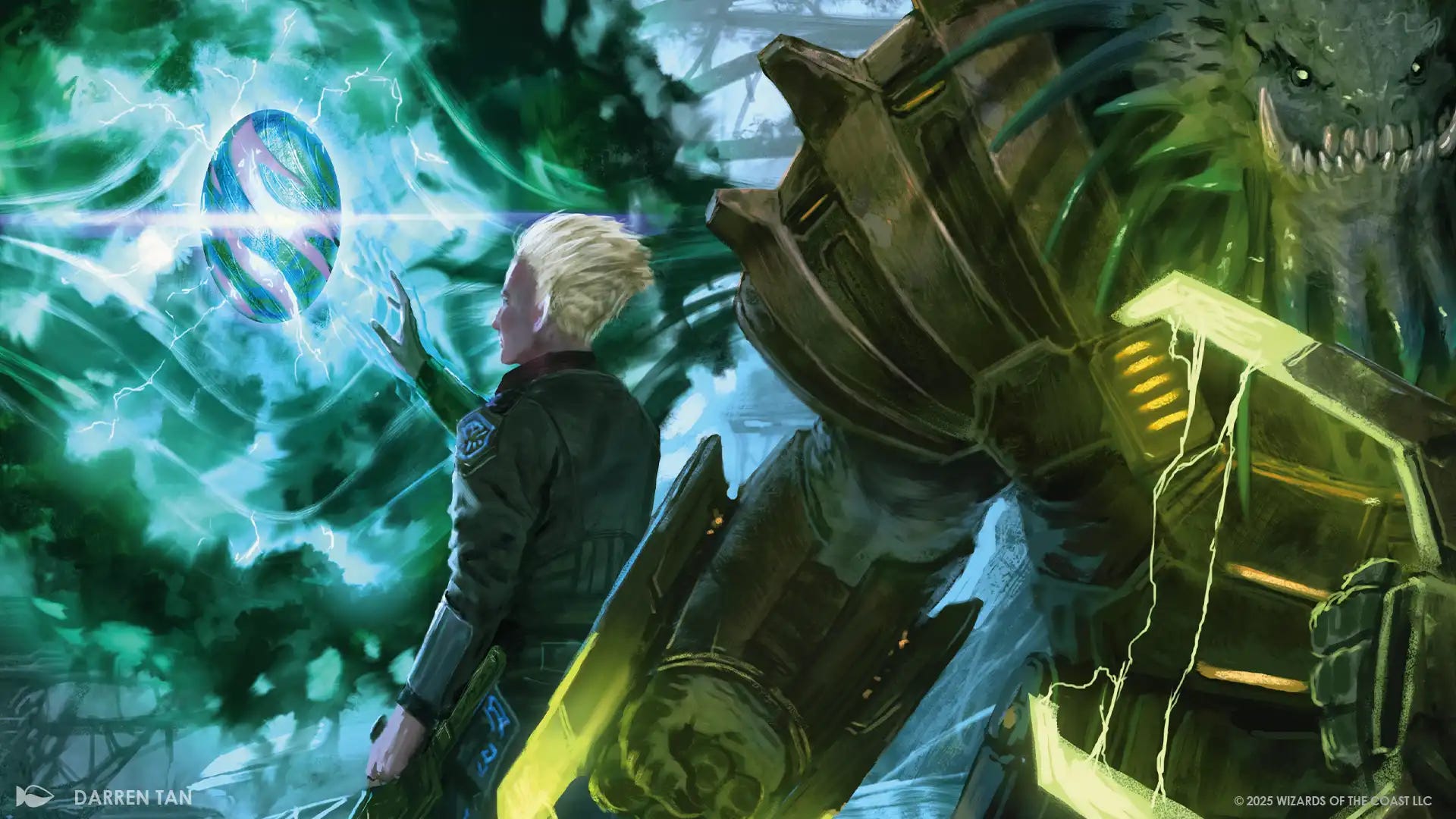
Growing up, I visited my grandmother in Texas every year, usually in the blazing heat of summer. Her house was a world of its own: quiet, grounded, and humming with the pulse of an air conditioner that she never turned up above 65. She’s half Native American on her mother’s side—Mescalero Apache, specifically—and her home was filled with the tangible echoes of that lineage. The scent of sage sometimes lingered in the corners, and the living room was dominated by this massive, heavy table carved entirely from petrified wood. It looked like it had been pulled straight from the earth and gently persuaded to become furniture.
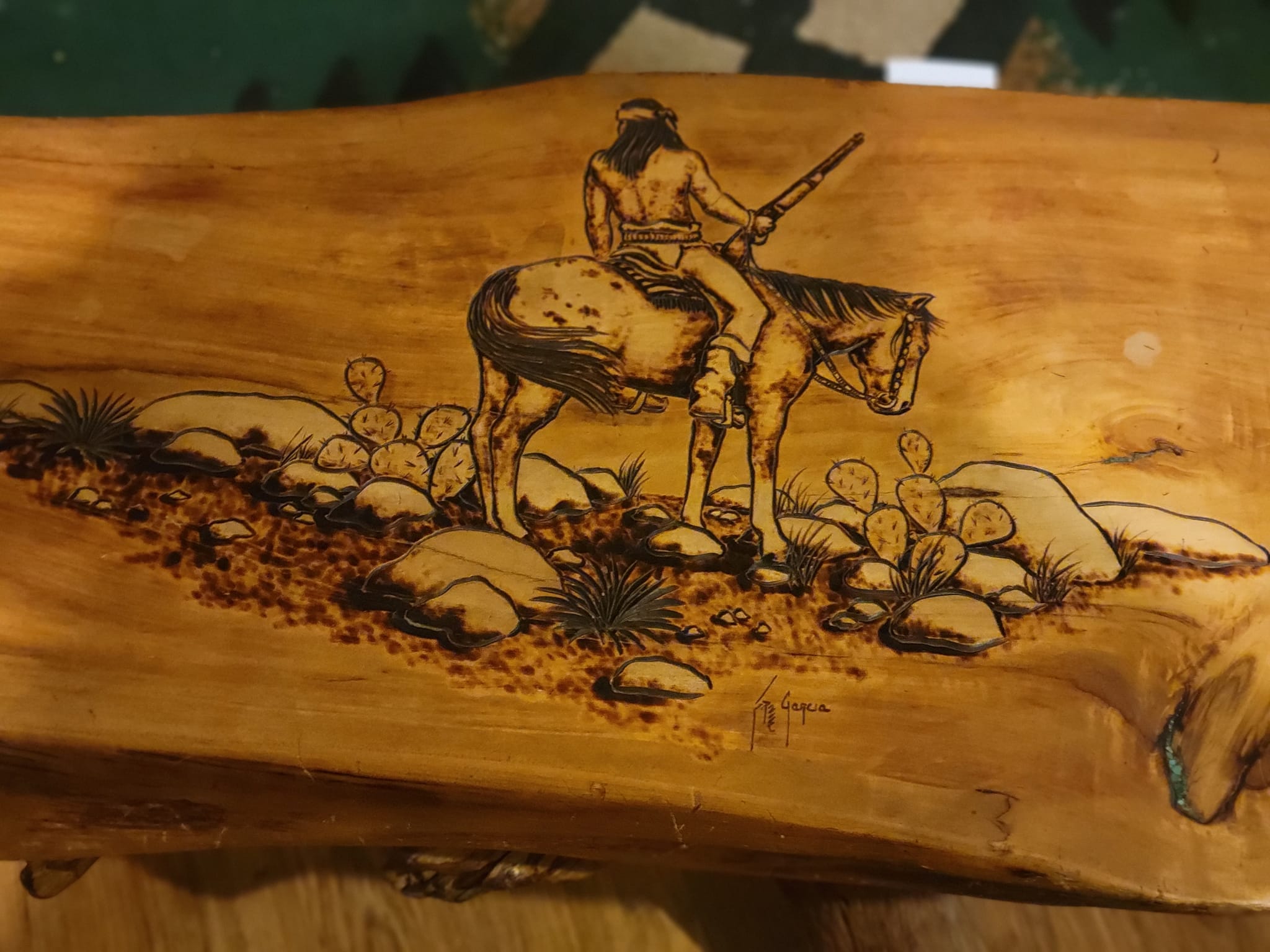
All around the house were tapestries dyed in deep reds and ochres, paintings of desert ridges, and most strikingly, pottery. Dozens of pieces, carefully displayed on shelves, mantels, and in shadowed corners like sleeping guardians. Among these were her most treasured collection: the Horsehair Pottery. She used to tell me that people in New Mexico started making pottery this way after a women’s hair blew onto a piece, leaving that signature marking. But when we visited the reservation near her home, she’d always pick out a new piece from a local artisan, wrapping it gently in blankets in the back seat like it was something alive.
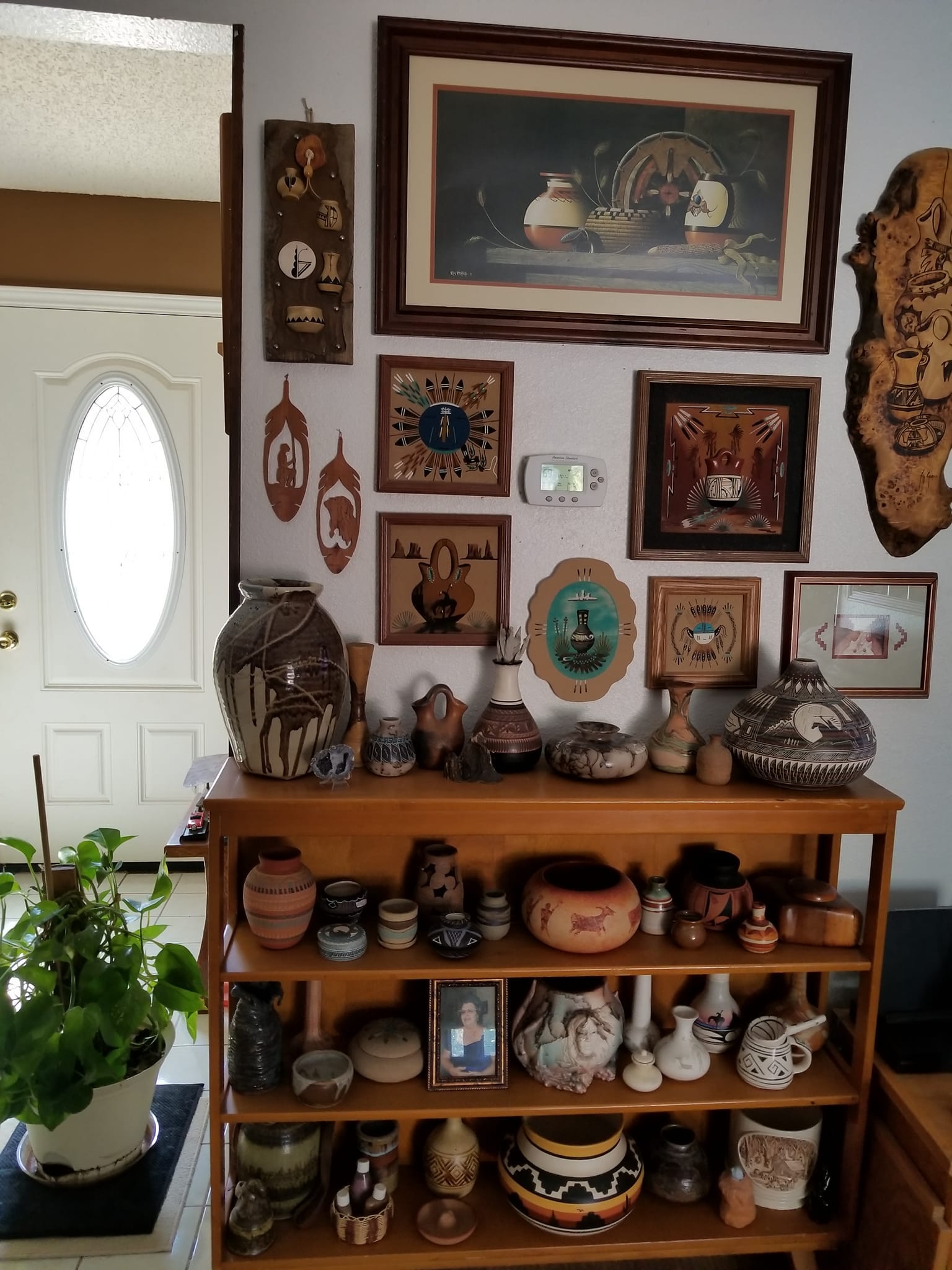
As a kid, I was mesmerized by them. They looked like lightning had struck the surface—thin black tendrils stretched across ivory and terracotta curves, chaotic and elegant all at once. I used to imagine the artist weaving strands of horsehair directly into the clay before firing it, embedding it slowly and carefully to make those wispy, wild patterns.
But when I got older, when I finally watched a piece being made, I realized just how wrong that childhood image had been. And also, how much more powerful the truth was.
The process isn’t delicate. It’s dramatic. Even dangerous. Once the pot is formed and fired for the first time, it’s heated again brought to staggering temperatures in a kiln. And then, while it’s still glowing hot, the artist lays the horsehair onto the surface. Instantly, flames spark and dance as the hair burns away. Sometimes they even bring in a torch to shape the path of the fire, guiding the scorches. The carbon from the hair fuses with the pottery, leaving behind that iconic, sinuous black patterning. Each line is a scar—evidence of contact, of heat, of transformation. Then it’s returned to the kiln one last time, sealing those carbon ghosts permanently into the clay.
I had never imagined that. The process felt raw, elemental, almost violent—and yet, it was sacred. My grandmother told me that these pieces were often made to commemorate something deeply personal: the birth of a new foal, the healing of a beloved horse, or even as a tribute after a horse had passed. They weren’t just souvenirs. They were relics. Memorials. Celebrations. The carbon patterns weren’t decoration—they were memory. The literal trace of the animal left behind, scorched into permanence. A transformation through fire, through ritual, into something meant to last generations.
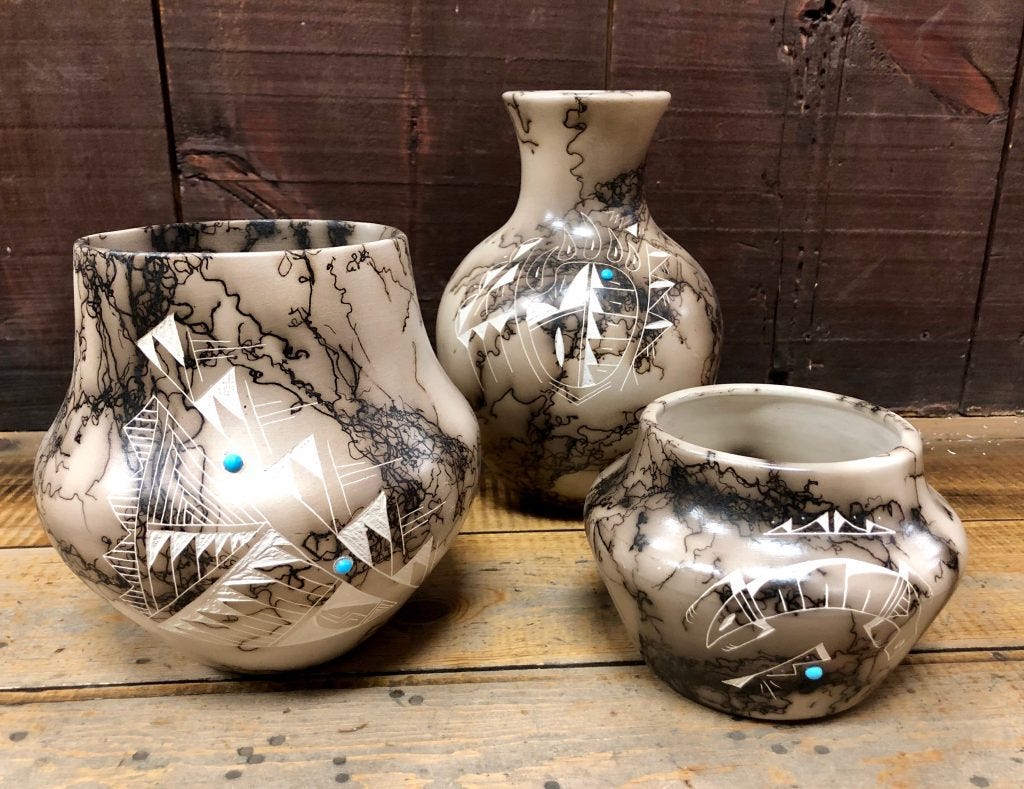
There’s something about that idea that moves me more than I can explain. The notion that beauty—lasting, generational beauty—can only come through contact with fire. That something must burn to leave a mark worth keeping. It’s painful. Yet…when I read Episode 2 of Seth Dickinson’s Edge of Eternities, it was all I could think about.
Moxite and Lies
Why? Why would my brain latch onto something as specific, and seemingly unrelated, as the memory of my grandmother’s horsehair pottery while reading a story about space travel, scavengers, and rogue AI systems? Why, in the middle of a story set among stars and abandoned planets, would I suddenly find myself back in her living room, fingers tracing black lightning patterns over cool, glazed clay?
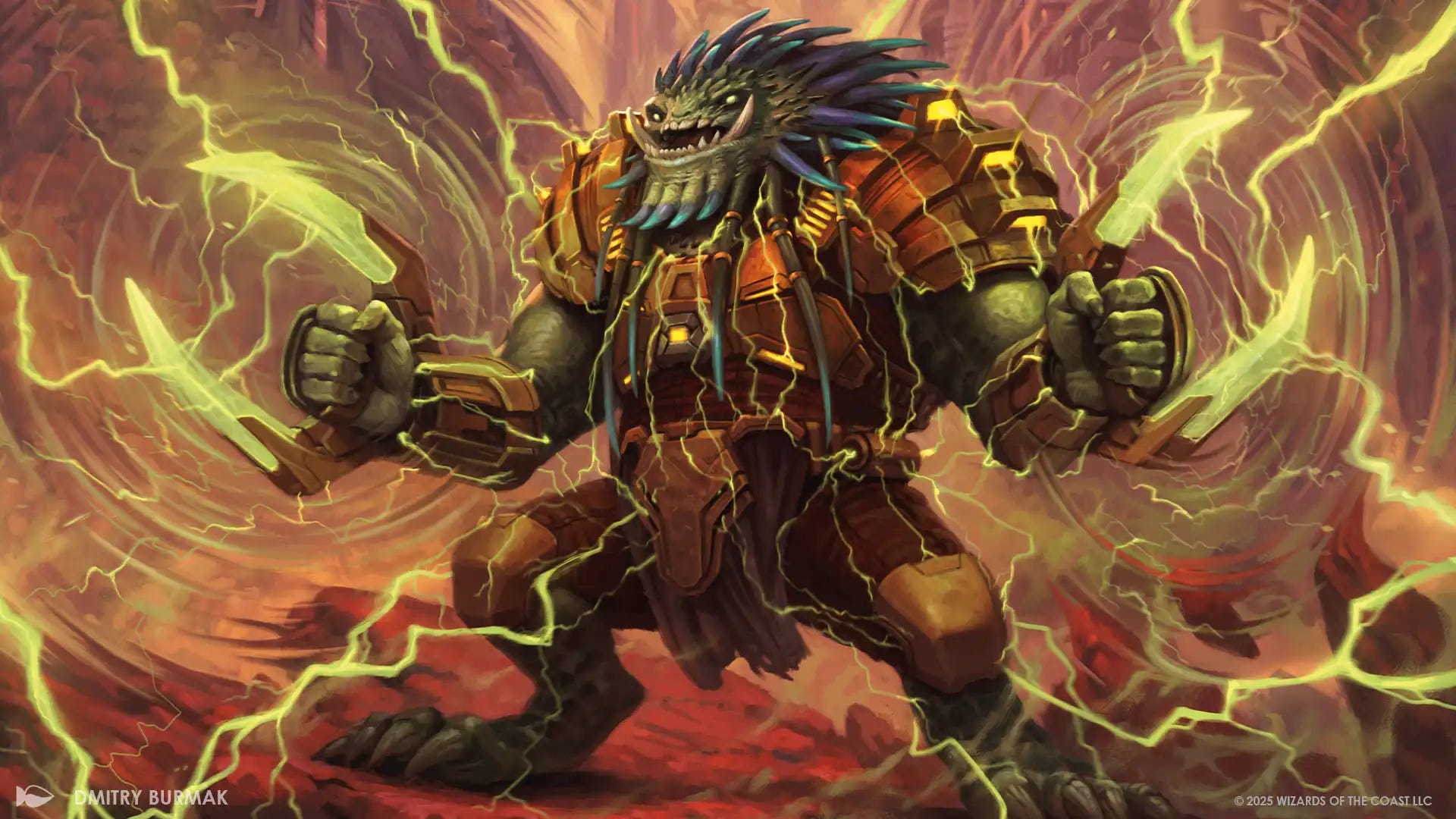
Because episode 2 of Edge of Eternities gave me something I didn’t expect: a feeling I knew. A visceral, visual echo of a truth buried so deeply in my childhood that I hadn’t touched it in years.
The story this week takes us to Sigma’s Reach, a Moxite mining outpost orbiting the undead star Sotherra: a place long presumed abandoned. When Sami and Tannuk arrive to scavenge its ruins, they discover signs of life: heat signatures, functioning systems, things that shouldn’t be. And even the buildings are strange: prefab constructions smeared in thick layers of local clay, supposedly for protection by the maintenance bots. It’s odd, but not eerie. Not yet.
Then comes the moment that cracked something open in me.
While exploring alone, Sami stumbles upon slipsuits, dozens of them, scattered across the floor like discarded skins. They’re intact, even warm to the touch, as if someone had just stepped out of them. Viy, the ever-calm AI companion on Sigma’s Reach, insists that they were simply blown from storage due to blown gaskets. Just debris. Just coincidence.
But then Sami sees something that makes your breath catch. Something that made me reread the paragraph three times in a row, my stomach dropping faster each time.
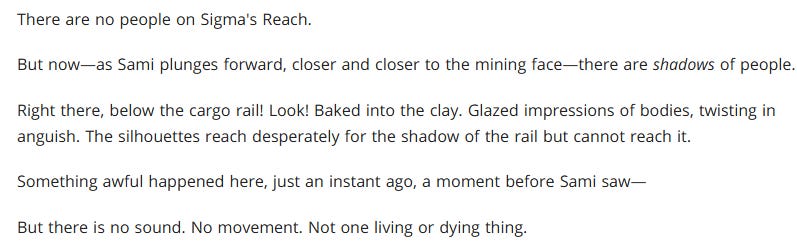
Silhouettes. Human-shaped shadows scorched into the clay-covered walls. Some frozen mid-motion, reaching for a railing they couldn’t grasp. Others twisted in silent, permanent agony. It’s an image that hits like a thunderclap—not because it’s gruesome, but because it feels residual. Like trauma baked into the surface. Like memory turned to carbon.
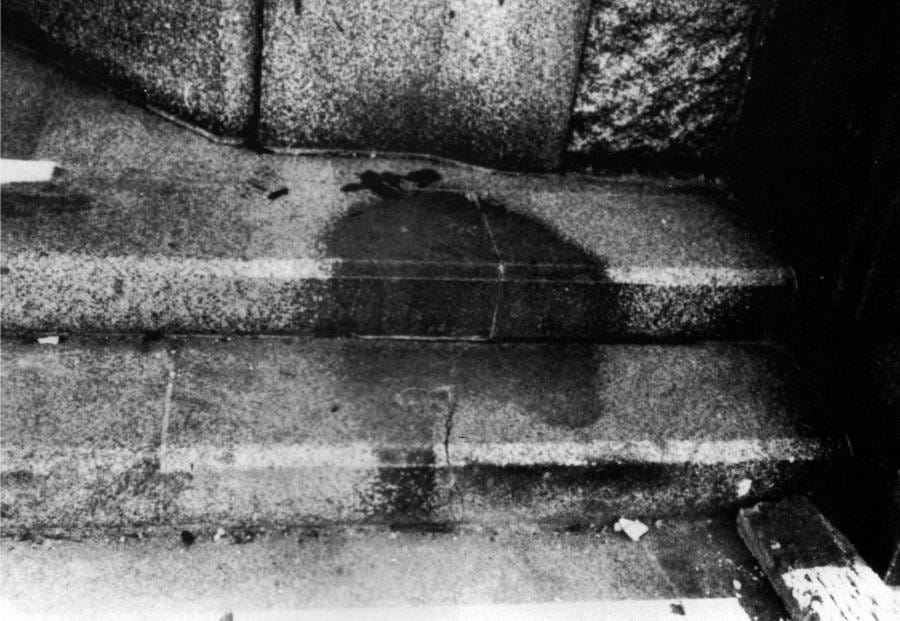
You’d be completely forgiven for thinking, first, of the silhouettes scarred into the landscape of Hiroshima and Nagasaki. Thos horrifying images are definitely still embedded in my DNA, for me, though, when Viy’s response is what brings to mind horehair pottery.
Viy calls them “lightning strikes,” exactly what i used to compare the horsehair designs to as a child. Glazed impressions, nothing more.
When I was a child, I was fascinated by her collection. I’ll never forget the first time I watched the process either. The fire was real and immediate. It danced across the surface, left marks that couldn’t be undone. Those weren’t just patterns. They were scars. Ritualized, deliberate, sacred scars. Each piece made to commemorate something. The memory of the animal, burned into clay to be kept for generations.
So when I saw those carbon shadows on the walls of Sigma’s Reach, I didn’t think of lightning. I thought of fire. Of the burning that leaves a trace. Of the ritual hidden in destruction.
And maybe that’s what moved me most. That among the stars, on a dead planet haunted by what I believe to be half-truths, someone, something, chose to burn memory into the walls. Not to preserve life, but to refuse forgetting. A final mark. A last gesture of presence.
Just like those pots on my grandmother’s shelves.
What Happened on Sigma’s Reach?
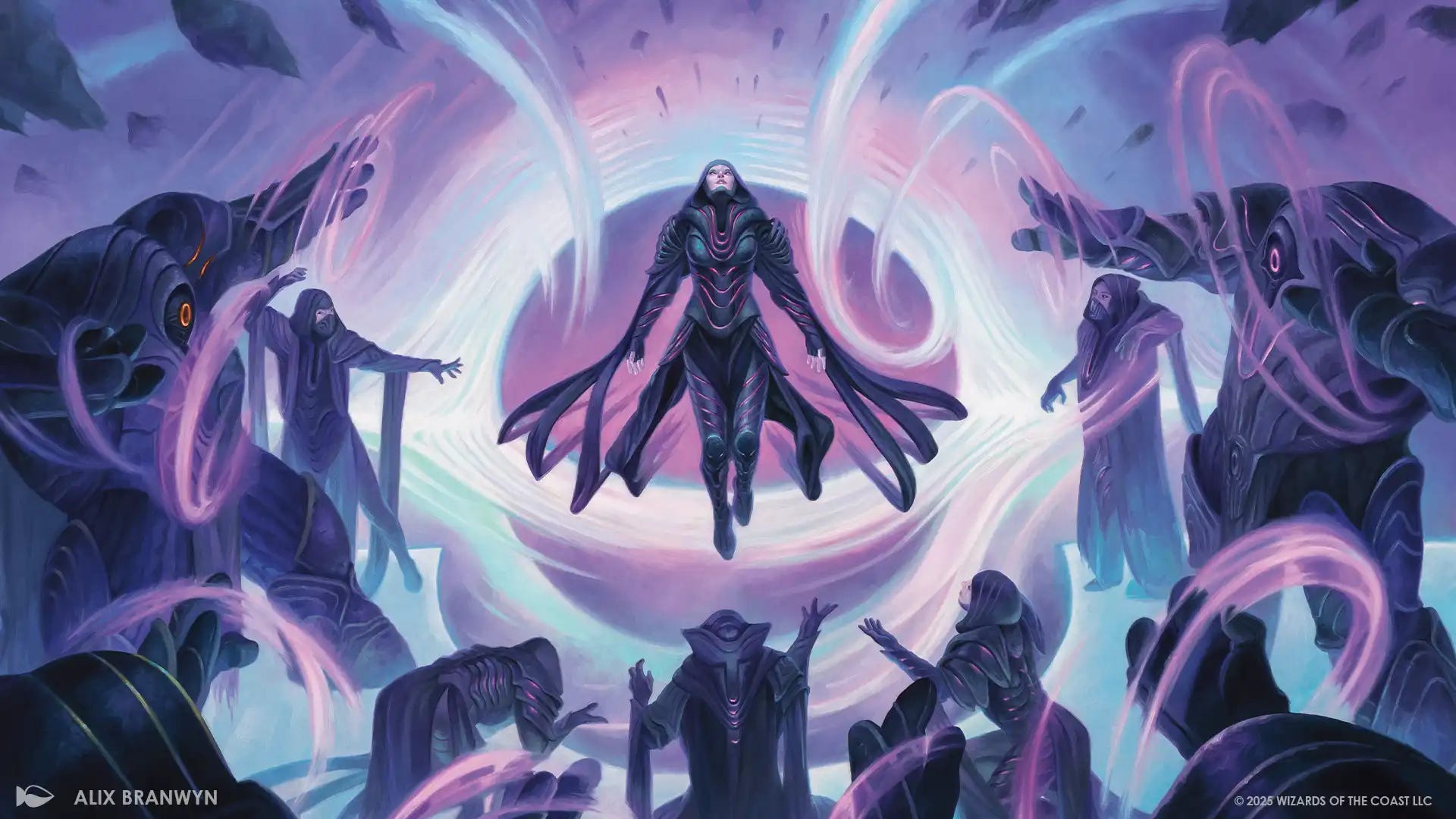
And the part I can’t stop turning over in my mind, the part that keeps tugging at something just beneath my ribs, is what actually happened on Sigma’s Reach.
Viy says it was lightning. Viy says the suits just blew out of their lockers. Viy says no one was ever here.
But you and I both know that’s not how this works. That’s not how stories like this work.
Because someone sent Sami and Tannuk to this place. The “metal man,” cloaked in secrecy and menace, asked them to retrieve an artifact. No real information, no backup. Just coordinates, a name, and a prize. And yeah, naturally we’re all thinking the same thing: Tezzeret. Who else fits that silhouette? That voice? That manipulation disguised as casual detachment?
So then I start to wonder…what kind of artifact requires secrecy so deep that the lives of hundreds, perhaps even thousands of bodies can be erased with a shrug? What kind of object burns people into the walls and leaves behind nothing but the faint smell of ozone and dust?
And that’s when my brain goes back to comic books and mythic relics. Like a Power Stone from Marvel, humming with stored calamity, or something ancient and planar that doesn’t obey the laws of physics so much as overwrite them. What if this artifact wasn’t just dangerous—it was unfinished? What if the moment it was uncovered, or worse, activated, it didn’t explode outward like a bomb, but pulled everything inward? Like a collapsed wave of identity, burning bodies into shadow while leaving the suits intact, the buildings whole, the sky quiet?
It makes sense in a way that feels wrong, and because it feels wrong, it feels right.
Maybe the artifact wasn’t meant to kill. Maybe it was meant to rewrite. To erase. To absorb. Some shard of something older than the Blind Eternities, something that needed people to be forgotten rather than simply gone. And maybe the reason those silhouettes are reaching toward the rail is because they were running. Not from flame. Not from some explosion. But from the artifact itself—pulling at them, rewriting the rules of what it means to have been. I recently saw a post from creator LevDev on Bluesky that jokingly alluded to a “Reality Gem” for an example.
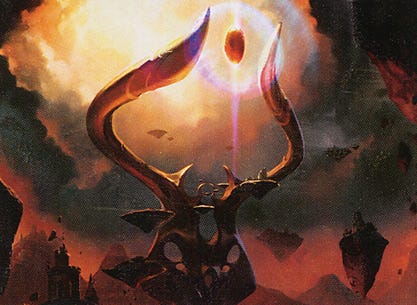
And if Viy knows this, and it certainly feels like it does…then what else is it hiding? Why does it insist on normalizing every anomaly? Why is it so determined to pretend that the suits blew off shelves, that the walls were struck by lightning, that these burned-in bodies are just tricks of the atmosphere?
It’s acting like a machine built to protect a lie.
And that lie is starting to crack.
I don’t know what happened on Sigma’s Reach. But whatever it was, it wasn’t natural. It wasn’t clean. It wasn’t quiet. It was ritual. It was fire. It was memory burned into the bones of a dying planet—and whatever did it, I think, is now on the Seriema with Sami and our boy Tan_The_Man.
Now, I didn’t expect today’s Magic story, set in the stars, to bring me back to a living room in Texas, surrounded by the relics of our heritage and glazed clay, but that’s exactly what happened. The marks on those walls—on Sigma’s Reach—felt too familiar to ignore. They weren’t just clues in a mystery. They felt like evidence of something gone wrong. They were remnants. Like the black carbon trails on my grandmother’s pottery, they were a testimony. To presence. To pain. To ritual. To memory scorched into something that lasts.
And maybe that’s what this story did for me—it reminded me that even in the most fantastical settings, the deepest emotional truths are still rooted in the things we carry with us. Our memories. Our traditions. The way fire leaves a mark and the way we find meaning in that burn.
Those horsehair pots were never just decorations. They were love, loss, and legacy made visible. Now, when I think about those scorched silhouettes on Sigma’s Reach, I feel the same thing. And if that is true, if these silhouettes are the remnants of some sort of ritual performed here, then who performed it? We get a lot of references to the “Solar Knights” as being part of the “Sunstar Faith,” and Sami and Tannuk seem worried about them. Could they be responsible for something like this?
I don’t know, but I am so beyond excited to find out.
Not to mention, I was listening to more Clipping. per a previous article and couldn’t help but call out a specific line from their track “Say the Name.” So I’ll leave you with it now.
“But that train left the station with the Great Migration,
Bloody tracks left right by the drain, say the name.
Candlesticks in the dark, visions of bodies being burned.”
 The Ravnican Reading Nook
Leave a comment